Carbon Steel Chef Knife: Upgrade Your Kitchen with Quality and Precision If you're looking to take your culinary skills to the next level, investing in a German steel chef knife high-quality carbon steel chef knife is a game-changer. This versatile and durable kitchen tool offers unparalleled precision and performance, making it a must-have for any serious home cook or professional chef. Whether you're slicing, dicing, or chopping, a carbon steel chef knife will effortlessly tackle any task with ease. In this article, we'll explore the benefits of upgrading your kitchen with a carbon steel chef knife and how it can elevate your cooking experience.
This Carbon Steel Chef Knife is the perfect addition to any kitchen. Its durable and sharp blade is ideal for chopping, slicing, and dicing various foods. The carbon steel material provides excellent edge retention and is resistant to corrosion. The knife also features an ergonomic handle for comfortable use. Upgrade your kitchen with this versatile best German steel knives and high-quality chef knife.
The Benefits of Using a Carbon Steel Chef Knife in the Kitchen
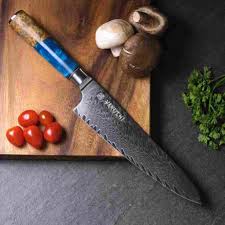
Carbon steel chef knives have several benefits that make them a popular choice for professional and home cooks. The high carbon content in these knives allows them to take on a sharper edge, which makes slicing and dicing ingredients much easier. Additionally, carbon steel knives are known for their durability and ability to maintain their edge for longer periods of time compared to other knife materials. They are also lightweight and easy to handle, offering precision and control when chopping and cutting. Furthermore, carbon steel chef knives are less prone to staining best German chef knives and oxidization, making them easier to maintain and keep in top condition. Overall, using a carbon steel chef knife in the kitchen can improve the cooking experience and provide more consistent and efficient results.
How to Care for Your Carbon Steel Chef Knife: Tips and Tricks
Carbon steel chef knives require a little extra care compared to stainless steel knives. Here are some tips and tricks for maintaining your carbon steel chef knife: 1. Keep it dry: After each use, make sure to wash and completely dry your carbon steel chef knife to prevent rust. Avoid leaving it soaking in water or in a damp environment. 2. Oil it regularly: To prevent corrosion, apply a thin layer of food-safe mineral oil or knife oil to the blade and handle of your carbon steel knife. This will help to protect the metal from moisture and acidic foods. 3. Avoid acidic foods: Carbon steel is sensitive to acidic ingredients, so try to avoid cutting acidic foods like citrus fruits and tomatoes with your carbon steel knife. If you do, make sure to clean and dry the blade immediately afterward. 4. Sharpen regularly: Carbon steel knives can lose their edge quickly, so it's important to regularly sharpen your knife using a sharpening stone or honing rod. This will help to maintain its cutting performance and prolong its lifespan. 5. Store properly: Store your carbon steel knife in a dry place, away from any moisture. Consider using a knife block, magnetic strip, or blade guard to protect the blade from damage. By following these care tips, you can ensure that your carbon steel chef knife remains in top condition and continues to perform at its best.
Why Every Home Cook Needs a Carbon Steel Chef Knife
Carbon steel chef knives are essential for every home cook due to their durability, sharpness, and versatility. These knives are known for their ability to maintain a sharp edge and are easy to sharpen when needed. The high carbon content in the steel allows for a razor-sharp edge that makes slicing, dicing, and chopping ingredients a breeze. Additionally, carbon steel chef knives are highly versatile and can handle a wide range of tasks in the kitchen, from slicing through tough meats to delicate precision cuts on fruits and vegetables. With proper care and maintenance, a carbon steel chef knife can become a reliable and long-lasting tool in any home cook's kitchen.
The Top 5 Best Carbon Steel Chef Knives on the Market
8 inch chef knife
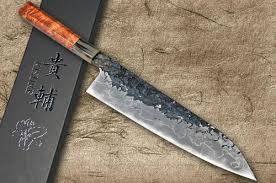
1. Shun Premier 8” Chef’s Knife - This knife is known for its exceptional sharpness and long-lasting edge retention. It features a hand-hammered Tsuchime finish and a comfortable, ergonomic handle for precise cutting. 2. Mac Professional Chef’s Knife - This knife is favored by professional and home chefs for its razor-sharp edge, durable construction, and lightweight feel. It offers excellent balance and control for various cutting tasks. 3. Dalstrong Gladiator Series Chef Knife - With a high-carbon ThyssenKrupp German steel blade, this knife provides exceptional performance and durability. It boasts a stylish, ergonomic handle and a razor-sharp edge for effortless slicing and dicing. 4. Victorinox Fibrox Pro Chef’s Knife - This affordable yet high-quality knife features a stamped, ice-tempered blade for maximum sharpness and edge retention. Its textured, slip-resistant handle provides a secure grip for safe and efficient use. 5. Zelite Infinity Chef Knife - Crafted from premium Japanese AUS-10 stainless steel, this knife offers outstanding strength and sharpness. It boasts a stunning Damascus pattern and a comfortable, triple-riveted handle for a professional cutting experience.
Choosing the Right Carbon Steel Chef Knife for Your Cooking Style
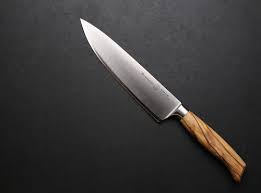
Carbon steel chef knives are a popular and reliable choice for professional and home cooks alike. When choosing the right carbon steel chef knife for your cooking style, it's important to consider factors such as blade type, handle material, and weight. For those who prefer a lighter knife, a carbon steel chef knife with a thinner blade and lighter handle may be ideal. On the other hand, those who prefer a heavier knife for tougher tasks may opt for a thicker blade and a heavier handle. Additionally, consider the type of handle material that is most comfortable for you. Carbon steel chef knives often come with handles made of wood, plastic, or metal. Each material has its own pros and cons, so it's important to choose based on your personal preferences and needs. It's also important to consider the type of cutting tasks you most frequently perform. For precision cutting and slicing, a carbon steel chef knife with a sharp, thin blade may be best. If you frequently tackle tougher tasks such as chopping through bones or hard vegetables, a thicker, more durable blade may be a better choice. Ultimately, choosing the right carbon steel chef knife for your cooking style comes down to personal preference and the specific demands of your kitchen. By considering factors such as blade type, handle material, and weight, you can find a knife that best suits your needs and enhances your culinary experience.
The Art of Sharpening a Carbon Steel Chef Knife Like a Pro
The key to sharpening a carbon steel chef knife like a professional is to use a high-quality sharpening stone or whetstone. Begin by wetting the stone and placing it on a stable surface. Hold the knife at a 20-degree angle and draw the blade across the stone in a sweeping motion, applying even pressure. Repeat on both sides of the blade until the edge is sharp. Finish by honing the blade with a leather strop or honing rod to remove any burrs and achieve a razor-sharp edge. Proper maintenance and regular sharpening will keep your carbon steel chef knife in top condition for all your culinary needs.
The History and Evolution of the Carbon Steel Chef Knife<
best chef knife/h2>
The carbon steel chef knife has a long and rich history, with its origins dating back to ancient times. The first known carbon steel knives were believed to have been forged in the Middle East around 200 BCE. These early knives were made by heating iron and carbon together, resulting in a blade that was strong, sharp, and durable. Over time, the process of making carbon steel knives evolved, with different regions and cultures contributing their own techniques and designs. In Japan, for example, the art of sword making, or "tamahagane," influenced the creation of carbon steel knives, leading to the development of the revered Japanese chef's knife, or "gyuto." In the 20th century, the popularity of carbon steel knives spread to the West, where they became an essential tool in professional and home kitchens alike. However, with the advent of stainless steel and other modern alloys, carbon steel knives fell out of favor for a period of time. In recent years, there has been a resurgence of interest in carbon steel chef knives, driven by the demand for high-quality, artisanal products. Chefs and cooking enthusiasts appreciate the exceptional sharpness and edge retention of carbon steel, as well as the unique patina that forms on the blade over time. Today, the carbon steel chef knife continues to evolve, with modern techniques and materials enhancing its performance and durability. Despite the availability of alternative materials, the carbon steel chef knife remains a timeless and indispensable tool for anyone passionate about cooking.
Exploring the Different Types of Carbon Steel Chef Knife Handles
Carbon steel chef knife handles come in various types, each offering unique characteristics and benefits. Some common types of carbon steel chef knife handles include: 1. Wooden handles: Wooden handles offer a classic and natural look and feel. They are comfortable to hold and provide a good grip, making them a popular choice among professional chefs and home cooks. 2. Micarta handles: Micarta is a composite material made from layers of linen or paper that are impregnated with resin. This material is durable, water-resistant, and offers a solid grip, making it a popular choice for kitchen knives. 3. G10 handles: G10 is a type of fiberglass laminate that is lightweight, durable, and resistant to moisture and heat. G10 handles are known for their strength and stability, making them a popular choice for high-performance chef knives. 4. Stainless steel handles: Stainless steel handles are durable, corrosion-resistant, and easy to clean. They offer a sleek and modern look, making them a popular choice for contemporary kitchen knives. 5. Carbon fiber handles: Carbon fiber handles are lightweight, strong, and offer a modern and high-tech appearance. They are often used in high-end chef knives for their performance and aesthetic appeal. When choosing a carbon steel chef knife handle, consider factors such as comfort, durability, grip, and overall aesthetic to find the best option for your needs.