Professional kitchen knives are an essential tool for anyone looking to elevate their culinary skills. With the right set of knives, chefs and home cooks alike can improve their precision, efficiency, and overall technique in the kitchen. Whether you are a seasoned professional or just starting out, investing in high-quality professional kitchen knives can make a significant difference in the outcome of your dishes. In this article, we will explore the benefits of upgrading to professional kitchen knives and how they can enhance your cooking experience.
Upgrade Your Culinary Skills with Professional Kitchen Knives: Investing in high-quality kitchen knives can revolutionize your cooking experience. A durable, sharp blade can make precise cuts, ensuring that your ingredients are prepared with precision and care. Additionally, professional kitchen knives often have a more comfortable grip and are easier to handle, reducing the risk of accidents and making your time in the kitchen more enjoyable. Whether you're a casual home cook or a professional chef, upgrading your culinary arsenal with professional kitchen knives is a smart decision that will elevate your cooking to the next level.
The Ultimate Guide to Choosing Professional Kitchen Knives

The Ultimate Guide to Choosing Professional Kitchen Knives covers important factors to consider when selecting high-quality knives for a professional kitchen. It provides in-depth information on the different types of knives, materials used in their construction, handle designs, and blade shapes. Additionally, the guide offers tips on maintaining and caring for professional kitchen knives to ensure their longevity and performance. Whether you are a professional chef or a culinary enthusiast, this guide will help you make informed decisions when investing in professional kitchen knives.
Top 10 Must-Have Professional Kitchen Knives for Every Chef
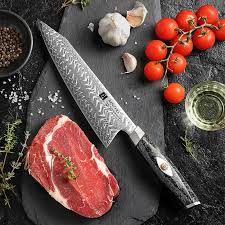
1. Chef's Knife: This versatile knife is essential for all types of cutting, slicing, and dicing tasks. 2. Paring Knife: Perfect for precision tasks like peeling, trimming, and shaping fruits and vegetables. 3. Bread Knife: Features a serrated edge for effortlessly slicing through crusty breads and delicate pastries. 4. Utility Knife: A mid-sized knife that bridges the gap between a chef's knife and a paring knife, ideal for a variety of cutting tasks. 5. Santoku Knife: Originating from Japan, this knife is great for slicing, dicing, and mincing, with its flat edge and slight curve. 6. Boning Knife: Designed for removing bones from meat and filleting fish with precision. 7. Serrated Knife: Ideal for slicing through foods with a hard exterior and soft interior, such as tomatoes or citrus fruits. 8. Carving Knife: Specifically designed for slicing through large cuts of meat or poultry with ease and precision. 9. Cleaver: Perfect for chopping through bones and tough cuts of meat, as well as for crushing garlic and ginger. 10. Fillet Knife: Essential for filleting fish and deboning meat, with its narrow, flexible blade for precise cuts.
Understanding the Different Types of Professional Kitchen Knives
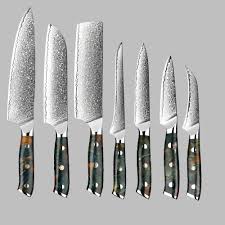
Professional kitchen knives come in a variety of types, each serving a specific purpose in the kitchen. The most common types of professional kitchen knives include chef's knives, paring knives, utility knives, slicing knives, boning knives, and bread knives. Chef's knives are the workhorse of the kitchen, suitable for a wide range of tasks such as chopping, slicing, and dicing. Paring knives are small and versatile, often used for peeling and delicate cutting tasks. Utility knives are mid-sized knives that can handle a variety of cutting needs, while slicing knives are specifically designed for slicing meat and fish. Boning knives have a narrow, flexible blade that is ideal for removing bones from meat and poultry. Bread knives have a serrated edge that makes them perfect for slicing through crusty bread without crushing it. Understanding the different types of professional kitchen knives can help you choose the right tool for the job and improve your culinary skills. It's essential to have a well-rounded collection of knives in your kitchen to handle various cutting and slicing tasks with precision and ease.
How to Properly Care for Your Professional Kitchen Knives
top quality chef knives
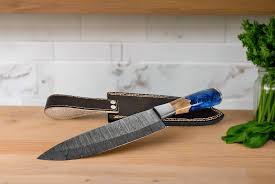
To properly care for your professional kitchen knives, it is important to regularly sharpen them using a sharpening stone or honing rod. Keep your knives clean and dry to prevent corrosion and damage to the blades. Store them in a knife block, on a magnetic strip, or in a knife sheath to protect the blades and prevent accidents. Avoid cutting on hard surfaces such as glass or stone, and never put your knives in the dishwasher as it can damage the blades and handles. Regularly oiling wooden handles can help prevent cracking and warping. By following these guidelines, you can maintain the sharpness and quality of your professional kitchen knives for years to come.
Investing in Quality: The Benefits of Professional Kitchen Knives
Investing in quality professional kitchen knives can have numerous benefits for both home cooks and professional chefs. High-quality knives are typically made from stronger, more durable materials, such as high-carbon stainless steel, that can hold a sharp edge for longer periods of time. This means less time spent sharpening and more time spent actually using the knives for cooking. Professional knives are also usually designed with ergonomic handles that are more comfortable to hold and reduce the risk of hand fatigue or injury during prolonged use. The precision and balance of professional knives can also result in more accurate and consistent cuts, leading to better-looking and more evenly cooked dishes. Additionally, investing in quality knives can be a cost-saving measure in the long run, as they are less likely to break or become dull quickly, reducing the need for frequent replacements. Finally, professional knives can also enhance the overall cooking experience, making meal preparation more enjoyable and efficient.
Mastering Knife Skills: Tips from Professional Chefs
premium chef knives
Mastering Knife Skills: Tips from Professional Chefs is a comprehensive guide to honing your knife skills in the kitchen. This book offers practical and expert advice from experienced chefs on how to properly handle and care for knives, as well as techniques for cutting, chopping, and slicing a wide variety of ingredients. Whether you're a beginner or an experienced cook looking to improve your knife skills, this book provides invaluable tips and tricks to help you become more efficient and confident in the kitchen.
The History and Evolution of Professional Kitchen Knives
Professional kitchen knives have evolved over centuries to meet the needs of chefs and cooks in various culinary traditions. The history of professional kitchen knives dates back to ancient civilizations such as Egypt, Rome, and China, where simple knives were used for food preparation. Over time, different cultures developed their own unique knife-making techniques and blade designs, leading to a wide variety of knife styles and shapes. In Europe, the development of high-quality steel in the Middle Ages led to the creation of more durable and sharpenable knives, which contributed to the advancement of professional kitchen cutlery. During the industrial revolution, mass production techniques enabled the production of standardized, high-quality kitchen knives, which further revolutionized food preparation. As the culinary industry evolved, so did kitchen knives, with specialized knives being developed for specific tasks such as boning, filleting, and slicing. In recent years, there has been a resurgence in traditional knife-making techniques, as well as an emphasis on high-quality, handcrafted knives made from premium materials. Modern professional kitchen knives are often designed with input from professional chefs and are made to the highest standards of precision and performance. Today, professional kitchen knives come in a variety of styles, materials, and designs, catering to the diverse needs of chefs around the world. From Japanese sashimi knives to Western-style chef's knives, the history and evolution of professional kitchen knives have resulted in a wide range of options for chefs and cooks to choose from.
Expert Advice: Selecting the Right Professional Kitchen Knives for You
Expert Advice: Selecting the Right Professional Kitchen Knives for You provides tips and guidance on choosing the best kitchen knives for your needs. The article covers factors such as blade material, handle style, and knife type, as well as tips for testing and handling knives before making a purchase. Additionally, the article offers advice on maintaining and caring for your knives to ensure longevity and optimal performance. Overall, it serves as a comprehensive resource for anyone in the market for professional kitchen knives.